Cotton and yarn base
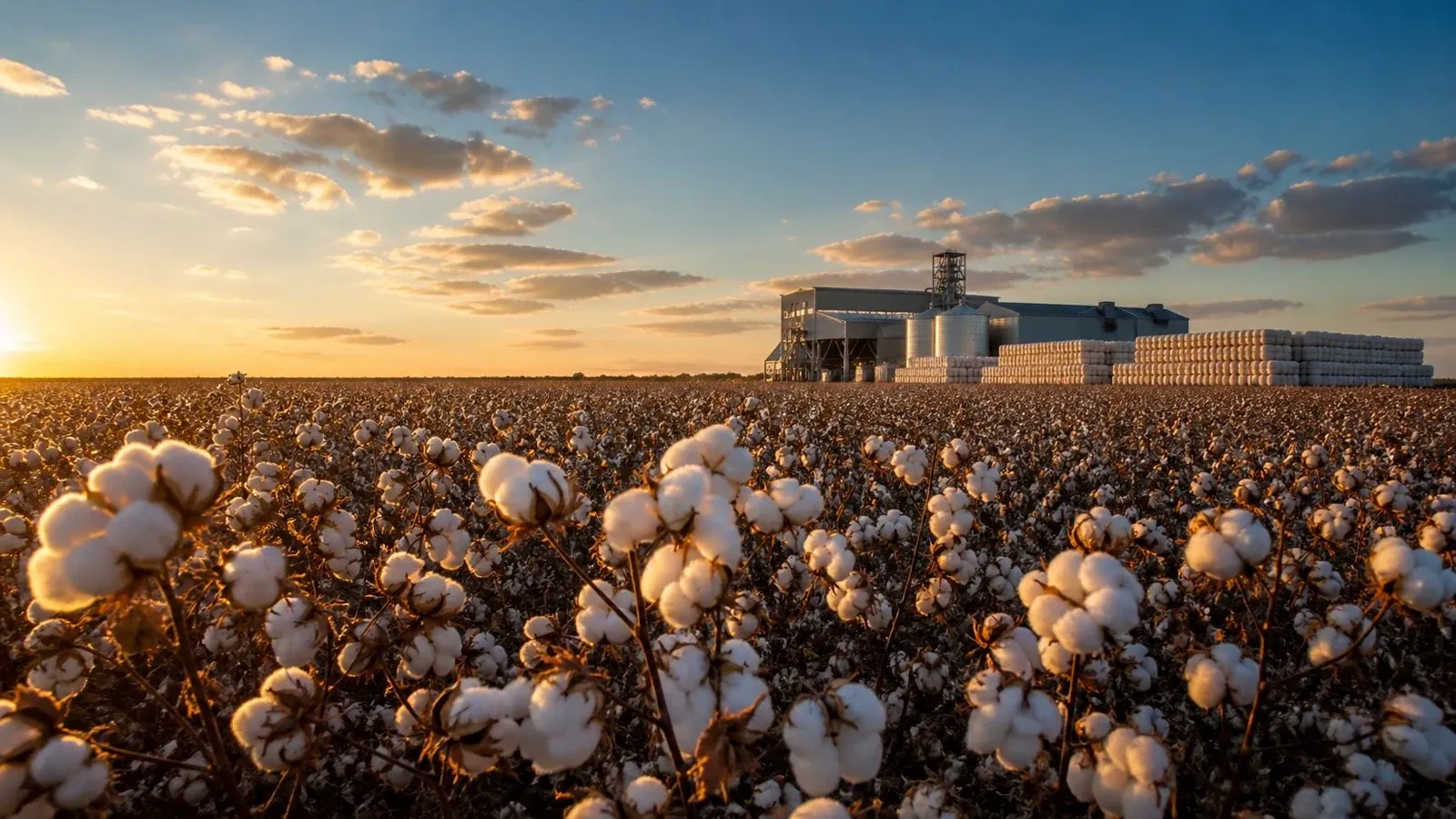
A long-established cotton and spinning sector supports cotton, PC and CVC yarn and fabric programs.
A globally established textile destination
Pakistan combines cotton heritage, skilled textile manufacturing, broad product capability and access to integrated supply chains—from fibre and yarn to finished fabrics and made-ups.
Pakistan textile strengths
The right supplier route depends on product, quantity, quality, certification, commercial terms and delivery. Pakistan offers a wide range of manufacturing options across these requirements.
A long-established cotton and spinning sector supports cotton, PC and CVC yarn and fabric programs.
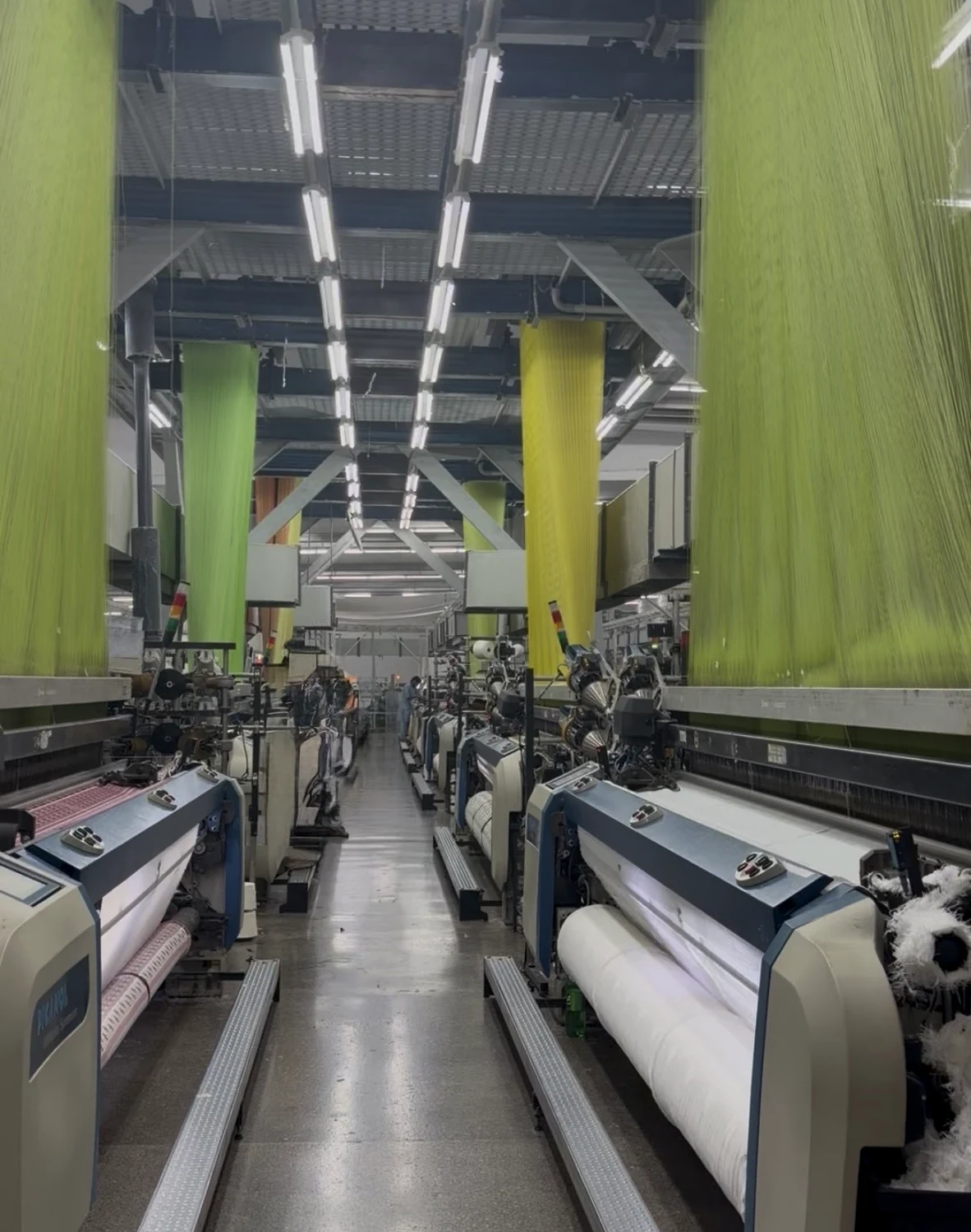
Capabilities extend through spinning, sizing, weaving, processing, stitching, made-ups and packing.
Greige and finished fabrics, bedding, towels, workwear, institutional and performance textiles.
Manufacturers serve clients across Europe, North America, the Middle East, Asia and other global markets.
Different mill structures can be matched to product complexity, order volume and approval requirements.
Selected suppliers can support quality, social, environmental and material certification requirements.
EU market advantage
Pakistan is a GSP+ beneficiary of the European Union. For most textile products, this means eligible goods can enter the EU at zero customs duty, a direct saving on landed cost compared with many competing origins.
The EU’s Special Incentive Arrangement for Sustainable Development and Good Governance. It removes import duties on most products from countries that implement international conventions on human rights, labour, environment and governance.
Pakistan benefits from EU GSP+ preferences, and textiles and home textiles are among the main sectors that use them. Eligible products that meet the rules of origin and documentation requirements may qualify for preferential or zero-duty treatment.
Preferences apply only when goods meet EU rules of origin and the exporter is registered in the EU’s REX system. Origin depends on where the fabric is woven and processed, not only where it is stitched.
We align the manufacturing route with the origin requirement from the first enquiry, and confirm that the selected mill can issue the required origin statement before production.
The EU’s new GSP Regulation applies from 1 January 2027, and continued GSP+ status depends on each beneficiary meeting its conditions. Exact duty treatment should always be verified by HS code, origin and shipment route at the time of order. This information is general guidance, not legal or customs advice.
Local coordination matters
R.N. Textiles helps international clients identify suitable capabilities, coordinate development, follow critical milestones and maintain transparent communication close to the manufacturing source.
Discuss Your RequirementRead the complete Faisalabad sourcing guide →Start a conversation
Share construction, quantity, finish and target delivery — that is enough to begin.